China has announced a 7.2% increase in its defense budget for fiscal year 2025, raising the total to 1.78 trillion yuan (approximately $244.99 billion). This marks a continuation of consistent military expenditure hikes over the past three years, reflecting Beijing’s commitment to “safeguarding” national security. However, this raises concerns about the implications of such spending for both China and the global order.
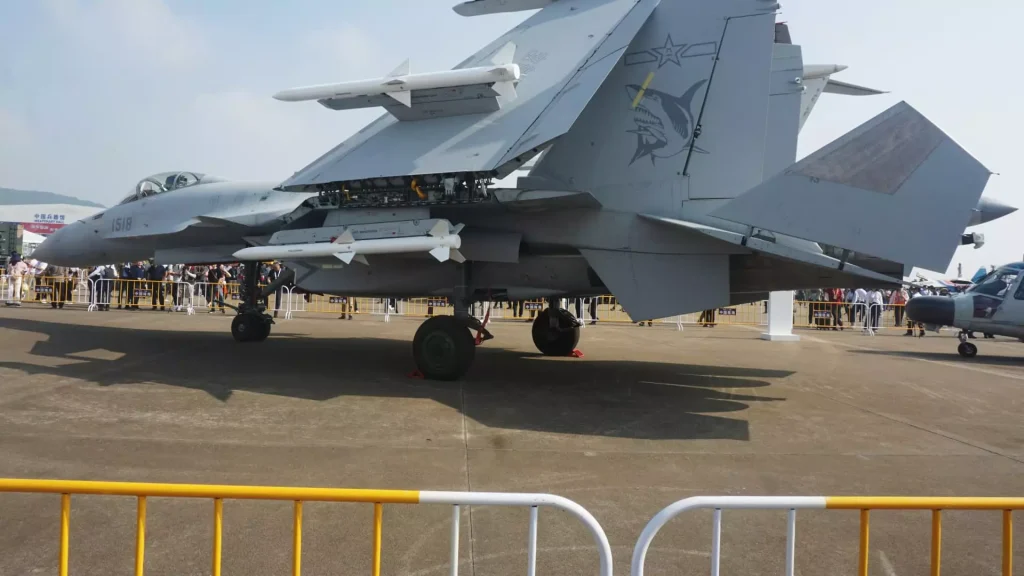
The defense budget growth significantly outpaces China’s projected economic growth of around 5% for 2025, indicating a response to perceived threats, particularly from the West. This trend mirrors a broader global arms race, with the EU proposing 800 billion euros ($841 billion) for security amid the ongoing conflict in Ukraine. Such military expenditure increases evoke memories of the Cold War and highlight rising tensions among global powers.
Lou Qinjian, spokesperson for the National People’s Congress, stated that “peace needs to be safeguarded with strength,” suggesting that military might equates to stability. This rhetoric raises questions about whether China’s military buildup is genuinely defensive or a precursor to aggression.
While China’s defense spending is below 1.5% of its GDP, it remains the second-largest military spender globally, only behind the U.S., which has set its budget at $850 billion for 2025. The disparity between military funding and a modest rise in public security expenditures (7.3%) indicates a troubling prioritization of military readiness over social stability.
As nations increase military spending, the implications for global stability are significant. This period may usher in military overreach and shifts in power dynamics, challenging traditional alliances. The international community must remain vigilant and critically assess narratives that frame aggression as defensive.
In summary, China’s rising military budget signals an aggressive stance in international relations, potentially reshaping the security landscape for future generations.