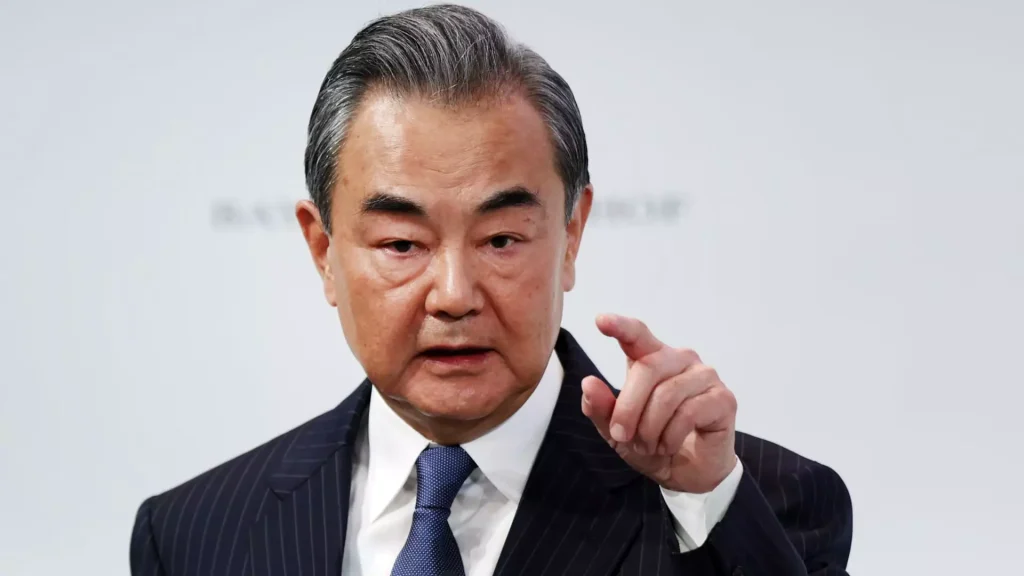
In a surprising shift from China’s usual assertive rhetoric, Foreign Minister Wang Yi recently advocated for cooperation with the United States, urging the abandonment of “arbitrary tariffs” and promoting a spirit of partnership. This marks a notable change from the confrontational stance often seen amid rising trade tensions. Wang emphasized the importance of peaceful coexistence, suggesting that prolonged confrontation would be detrimental to both nations, a lesson history has taught.
However, the backdrop of Wang’s remarks is critical. With the U.S. imposing new tariffs, one might expect a combative response. Instead, Wang’s appeal for harmony contrasts with the Chinese Embassy’s recent warning to the Trump administration about being ready for “war” in response to escalating trade disputes. This duality indicates a calculated strategy, where China seeks to project strength while softening its diplomatic tone.
Wang’s focus on economic collaboration extends beyond trade, advocating for technological sharing and presenting China as a global stakeholder rather than an adversary. His comments on “unjustified external suppression” serve as a critique of Western powers, framing technological advancement as a collaborative effort. However, some skeptics view this overture as a façade to distract from China’s ambitions.
While Wang’s initiatives suggest a willingness to mend ties, trust has eroded due to trade wars and territorial disputes. Genuine collaboration will require significant concessions from both sides, which have been reluctant to make. The complexity of global relations, particularly China’s ties with Russia, complicates its ability to genuinely champion peace.
Navigating a path toward constructive dialogue while managing competition is the challenge ahead. If Wang’s tone signals a long-term shift, it could influence future negotiations, but skepticism remains. Achieving the cooperative spirit Wang advocates necessitates a re-evaluation of national priorities from both nations, with stable relations relying on careful cultivation of mutual interests.