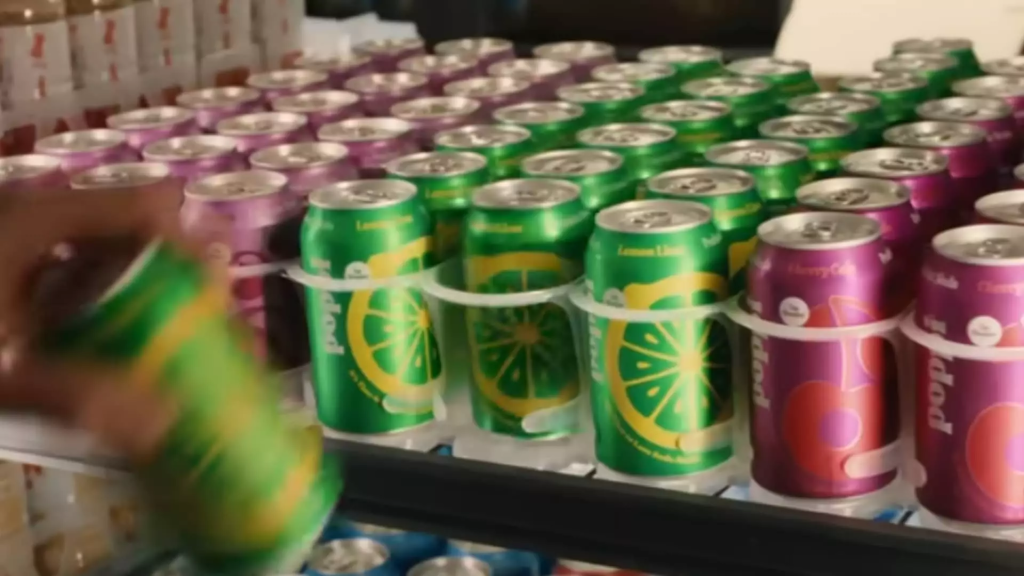
PepsiCo’s $1.95 billion acquisition of Poppi marks a pivotal shift in the beverage industry, reflecting consumers’ move away from traditional sodas toward health-conscious alternatives. As sugary drinks face increasing scrutiny, prebiotic sodas like Poppi and Olipop are booming, signaling a lasting market transformation that major corporations are keen to embrace.
Pepsi’s move isn’t impulsive; it’s a strategic adaptation. After abandoning its own functional drink, Soulboost, the company recognized the need to enter the growing wellness space. This acquisition not only fills a gap in Pepsi’s portfolio but also aligns with shifting consumer preferences. The prebiotic category offers Pepsi a vital opportunity to reclaim market share from health-conscious consumers avoiding sugary drinks.
Financially, the $1.95 billion price tag includes potential tax benefits of $300 million, reducing the net cost to $1.65 billion. With performance-based incentives in place, Pepsi’s investment signals long-term commitment, aiming not just to sustain soda sales but to redefine them. If successful, this could reshape industry consumption trends.
However, Poppi’s ascent has been shadowed by controversy. A recent class-action lawsuit challenging its health claims led to a proposed $8.9 million settlement, raising concerns about brand credibility. While Pepsi is betting on Poppi’s potential, it also inherits legal risks that could impact its brand image. The question remains whether Pepsi can turn this challenge into an opportunity or if it has stepped into a legal quagmire.
Competition is fierce. Olipop, valued at $1.85 billion, stands as both a rival and proof of the category’s viability. Coca-Cola has also entered the space with Simply Pop, highlighting the industry-wide recognition of this growing segment. As functional beverages gain ground, the soda industry’s future hinges on how well legacy brands can adapt.
Pepsi’s acquisition underscores a crucial industry shift—one where health-oriented products dictate market dynamics. The choices made today will shape the future of the beverage industry.