Astronauts Wilmore and Williams face a delayed return from the ISS after Boeing’s Starliner, “Calypso,” experienced critical malfunctions. Originally a nine-day mission, their stay extended to nine months, highlighting Boeing’s spacecraft development challenges. The company’s $2 billion Starliner loss raises concerns about its aerospace reputation.
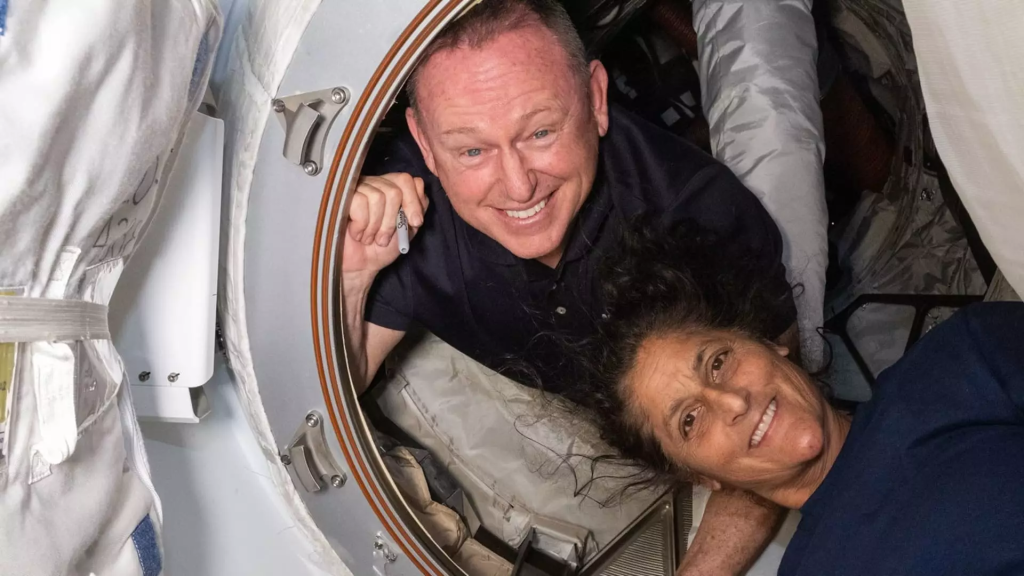
The astronauts’ extended isolation posed psychological challenges, despite their research and maintenance duties. 1 Their situation became a symbol of bureaucratic and political hurdles in space exploration.
Political rhetoric, particularly from Trump-era rapid-flight proponents, suggested political motives behind the delay, shifting focus from technical complexities. This raises questions about corporate influence versus scientific objectivity in privatized space travel.
With Boeing’s future uncertain, NASA’s dual-provider goal faces challenges. The reliance on SpaceX contrasts Boeing’s struggles, impacting long-term plans. The incident underscores the shift to collaborative, privatized space exploration, emphasizing the need for scientific integrity over political narratives. Wilmore and Williams’ return highlights human resilience and calls for prioritizing sound science.