In the U.S. economy’s evolving landscape, Federal Reserve Chairman Jerome Powell has adopted a cautious approach to interest rate decisions amid uncertainty stemming from President Donald Trump’s policies on trade, fiscal reform, and regulation. Powell emphasizes patience, urging market participants to be cautious rather than reactionary, reflecting an awareness of the complex economic dynamics at play.
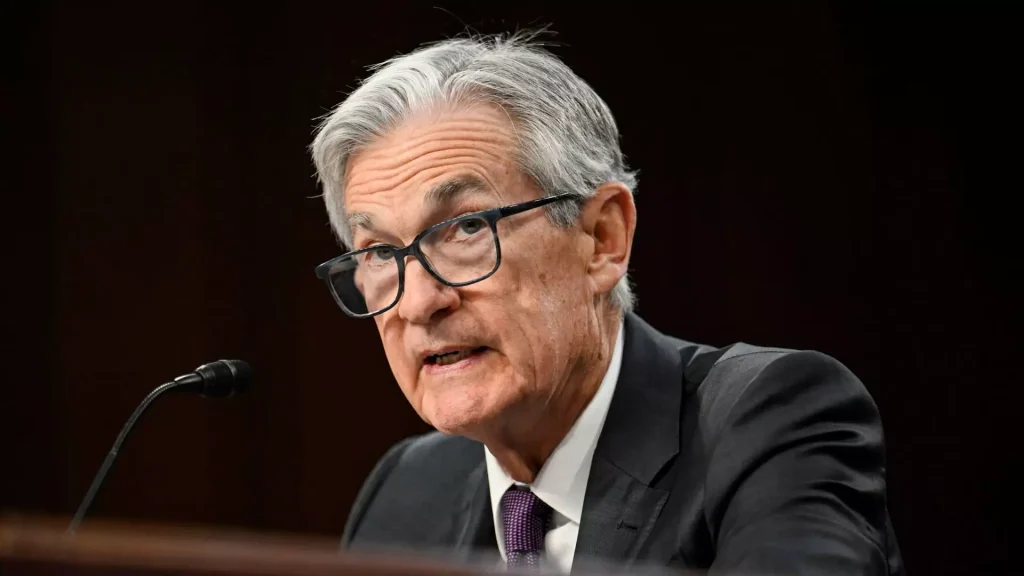
Trump’s tariff proposals have not only strained international relations but also created volatility in domestic markets, leaving investors anxious. Powell’s call for “waiting for greater clarity” demonstrates a pragmatic mindset, recognizing that navigating untested policy waters requires careful consideration.
Market expectations appear misaligned with Powell’s stance, as traders anticipate significant interest rate cuts later this year. This divergence highlights the tension between immediate market sentiments and the Fed’s longer-term strategic focus. Powell’s reluctance to commit to a specific course of action underscores the need for a balanced response to current economic signals while maintaining a broader perspective.
While some argue that inaction could hinder growth, Powell’s approach suggests that hasty decisions in uncertain times can lead to negative outcomes. The Fed is prioritizing a stable macroeconomic outlook, emphasizing reflection over impulsive reactions.
Powell’s analysis reveals cautious optimism regarding the labor market, which shows solid growth, yet inflation remains around the elusive 2% target. Current inflation pressures are linked to ongoing tariff discussions, complicating assessments of fiscal health. The Fed’s dual mandate of promoting maximum employment and stabilizing prices faces significant challenges.
Consumer and investor confidence play crucial roles in economic decision-making. The Fed’s credibility relies on effective communication and managing expectations, particularly amid political unpredictability. Investors must navigate the implications of unconventional tariffs and their potential impact on monetary policy, as each shift in policy could resonate throughout the economy.
In these complex economic times, the future of balanced monetary policy remains uncertain, shaped by ongoing tensions between federal policies and market responses.